Showing posts with label Massage. Show all posts

Research Shows Massage is a Natural Pain Remedy

June 4, 2011

0 comments

More often than not, massage does provide a certain degree of pain relief. But as to whether this relief is merely psychological or not has always been debated.

Lately, a review of computer databases was done to look for evidence of massage therapy’s power to massage2provide natural pain remedy. Existing research has shown mixed results, indicating that massage can be effective for some conditions while providing only modest relief for others.

Massage has repeatedly been anecdotally proven to provide pain relief; therefore, different studies have been done to try to study the relationship between massage and therapeutic pain relief. Unfortunately, evidence has been inconsistent. Also, different reviews frequently try to establish the relationship between massage therapy and one painful condition at a time; therefore, evidence will vary based on which condition is being studied.

Because of this inconsistency, a review was done to help prove the pain relief brought about by massage for many non-malignant and chronic conditions.

How was this evidence gathered?

The review focused on research that tried to study massage as a standalone treatment, rather than as an adjunct to other pain treatment modalities. This helps ensure that any pain relief from drugs and other treatment will not be misconstrued as having been brought about by massage.

Results of the review showed that massage is effective, but in different degrees, depending on the condition.

Which painful conditions may benefit only slightly from massage therapy?

  • Fibromyalgia. Past studies showed that there is only modest supporting research to back up the beneficial effects of massage on pain due to fibromyalgia.
  • Neck pain. Evidence is not very strong regarding the therapeutic effects of massage therapy on neck pain.
  • Carpal tunnel syndrome. Carpal tunnel syndrome is a repetitive injury causing hand and wrist pain. Unfortunately, research does not provide strong support for the beneficial effects of massage on pain from carpal tunnel syndrome.

What conditions have been proven to benefit from massage therapy?

For a short list of painful conditions which massage therapy has been proven to relieve, read this.

Source: “Effectiveness of Massage Therapy for Chronic, Non-malignant Pain: A Review” by Jennie Tsao
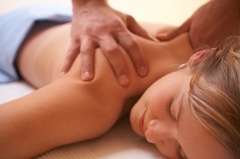
Therapeutic Eastern Massage

February 10, 2011

0 comments

Unlike Western types of massage, Eastern massage applies principles based on more traditional lymphatic therapyprinciples, such as the body’s energy source or Chi, pressure points, and Chinese meridians of the body.

Two great examples of Eastern massage therapy are Shiatsu (acupressure) and Reflexology. To learn more about reflexology, auriculotherapy, and acupressure, read this and find out how massage therapy can be an effective and natural way to provide pain relief.

Another type of Eastern massage is decongestive lymphatic therapy. Read on to find out more about this type of massage therapy.

What is lymphatic therapy?

Lymphatic therapy is a type of Eastern massage that aims to reduce the congestion of the lymphatic system. It is a rather complicated massage, which includes bandages, skin care, certain exercises, and manual lymphatic drainage (also known as MLD).

MLD involves a gentle massage aimed at treating lymphedema. Areas closer to the heart are treated first so that any lymph drainage from more remote parts of the body do not flood these areas. Manual lymphatic drainage aims to stretch out the collecting ducts of the lymphatic system and to promote drainage. After the manual drainage, bandages are used to provide a compressive effect. A person undergoing lymphatic therapy will also be taught how to care for his skin and for his health in general.

What are the other types of massage?

There are many other types of message. For example, Western massage involves effleurage, deep friction, tapotement, and petrissage. Read more on effleurage and petrissage in this article. Find out about deep friction and tapotement and how they provide natural pain relief right here. These types of massage provide different benefits through different physiologic mechanisms.

Massage therapy has long played an important role among people with different ailments and body aches. Known for both mechanical and psychological effects, massage therapy is a natural means of promoting one’s health and improving the body’s capacity to heal. More studies are needed to prove how exactly massage and touch therapy have become powerful tools to both the Eastern and Western world.

For instance, did you know that a healthy, well-fed baby will die if deprived of human touch? Read more on this report by clicking here.

Eastern Massage Therapy

February 7, 2011

0 comments

Massage therapy has long been used for different conditions, including muscle spasms, headaches, and even respiratory problems. They have been used by both the scientific community and the more traditional Eastern countries. Regardless of whether a massage therapy is Western or Eastern, it seems to effectively provide natural relief to many conditions.

Western massage therapy exists in the form of effleurage, tapotement, petrissage, or deep friction. To find out more about effleurage and petrissage, read this. Or click here if you are interested in deep friction and tapotement.

What is eastern massage therapy?

Eastern massage is widely popular in many parts of the world. Unlike western massage, eastern massage does not rely on western principles and theories of the body’s physiology and anatomy.

What are the types of Eastern massage therapy?

massage Below are a few types of Eastern massage:
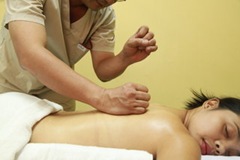
  • Shiatsu
  • Reflexology/ Auriculotherapy
  • Decongestive lymphatic therapy

    What is Shiatsu?

    Shiatsu is a Japanese massage therapy but is based on Chinese principles of meridians and also on more Western, scientific principles.

    Shiatsu revolves around the twelve Chinese major channels (also known as meridians) in the body. These meridians are thought to be where life force (Chi, or energy) circulates in the body. On these meridians, certain pressure points are located that allow specific access to the aforementioned meridians. It was believed that imbalance of energy in the meridians can bring about illness. Therefore, the pressure points are targeted in Shiatsu (acupressure) to restore balance in the body’s Chi. The pressure points are targeted by acupressure massage instead of the needles of acupuncture.

    What are auriculotherapy and reflexology?

    Just like shiatsu, auriculotherapy and reflexology both use the theories surrounding the Chinese meridians of the body. Below are some concepts of reflexology:

    • Meridians in reflexology are thought to control specific areas of the body, pretty much like how certain areas of the brain control specific parts of the body.
    • Attention has been paid particularly to the feet. In reflexology, different parts of the feet were mapped to represent specific body parts.

    Lymphatic therapy is another type of Eastern massage aimed at reducing the congestion of the lymphatic system. This type of Eastern massage is useful in people suffering from lymphedema. To find out more about this complex massage that involves caring for oneself, click here.

    Western Massage Therapy

    February 4, 2011

    0 comments

    In the previous article, specific types of Western massage therapy were discussed, specifically effleurage and petrissage. In this next installment, find out about the rest of the Western massage types.

    What is done in tapotement?

    tapotement Tapotement involves sudden, compressive blows on the muscle or skin. The following are usually done in tapotement:

    • Tapotement involves rhythmic, rapid, and gentle percussion.
    • There are different types of tapotement, depending on what part of your hands touch the body.
    • Many people believe that tapotement displaces trapped air, leading to a therapeutic effect.
    • Tapotement stimulates. This stimulatory effect is desired by a lot of people who want to feel energized.

    What is done in deep friction?

    Deep friction involves a shearing stress that is created between tissue interfaces right below the skin. The following are done to achieve effective deep friction massage:

    • In deep friction, the shearing stress is directed on underlying tissues instead of more superficial tissues of the skin. The interface involved may be between the dermis and the fascia, the fascia and the muscle, or the muscle and the bone.
    • The use of deep pressure keeps the more superficial areas of the skin from experiencing friction.
    • Using the ball of your finger or thumb, pressure is carefully applied on someone’s soft tissues.
    • This type of massage is specifically useful in preventing adhesion of scars. Adhesion of scar tissue results in limited mobility; it is therefore important to prevent this from happening.

    Western massage uses scientific principles and knowledge regarding the body’s anatomy and physiology. It is largely based on either scientific theories or proven principles.

    If you are curious about the origins of massage and why it brings about natural relief from many pains and medical conditions, read this. Also, you may learn more about effleurage and petrissage, the two other types of western massage by reading this article.

    Reactions? Post them below through the comment form.

    Types of Massage Therapy

    February 1, 2011

    0 comments

    Massage Therapy

    Massage therapy is a popular and reportedly effective means of achieving natural pain relief. It involves many principles, most of which may either be Eastern or Western. To know more about the origins of massage and how it came to be, read this article.

    Massage, whether of the Eastern or Western variety, has been popular in providing relief for many conditions and symptoms. Read on to find out more about massage and its many benefits.

    What are examples of massage therapy?

    massage 2 Below are a few examples of massage:

    • Shiatsu (acupressure)
    • Swedish massage
    • Rolfing massage
    • Myofascial release
    • Reflexology

    Massage can also be classified according to whether they were inspired by Eastern or Western principles.

    What are the types of Western massage?

    The many types of Western massage can be classified into:

    • Effleurage
    • Petrissage
    • Tapotement
    • Deep friction massage

    What is done in effleurage?

    Effleurage involves a gentle stroking of the skin. The following concepts usually apply:

    • The masseur’s hands gently stroke the skin above the muscles being targeted.
    • Powder or oil can be used to help reduce friction.
    • It may either be deep or superficial
    • Superficial effleurage stimulates skin receptors and may be effective due to nervous or vascular reflexes. Deep effleurage, on the other hand, promotes fluid mobilization in deeper soft tissues.
    • Superficial effleurage may be performed in any direction; however, deep effleurage should be done in the direction of venous flow; that is, going towards the heart.
    • Effleurage is an effective way to have a person relax and to gain someone’s confidence before proceeding with the rest of the massage. It may also be useful in gauging which muscles are tight.

    What is done in petrissage?

    Petrissage is a firmer massage involving compression of soft tissues. The following concepts are applicable in petrissage:

    • Soft tissues should be squeezed and compressed gently while hands move around in a circular pattern. The circular movement of the hands should be perpendicular to the course of the compression.
    • When tissues are squeezed then released, there is a reflexive and reactive increase in blood flow.
    • One specific type of petrissage is called lymphatic pump. This involves the rib cage or chest of a person with respiratory problems, aimed at promoting lymph flow and venous blood flow because of alternating compression and release of pressure on the person’s chest.

    What is done in tapotement?

    To learn more about tapotement, click here.

    Role of Massage in Providing Pain Relief

    January 29, 2011

    0 comments

    Everyone counts on a little massage and touch therapy to provide natural pain relief from different conditions. Many people swear on the benefits they reap from a good massage, including natural pain relief from many conditions.

    The world of medicine recognizes the important role of touch therapy and massage, so different studies have been done to try to prove the relationship between pain relief and massage therapy. It is important for you to know which conditions can benefit from massage – and which may not.


    What is massage therapy?

    Massage therapy is defined as the mamassagenipulation of soft tissues done by skilled therapists, the aim of which is to provide therapeutic relief.

    Massage used as therapy is an old concept, originating from China centuries even before Christ was born. Soon after, massage has been used in Egypt and India.

    In the modern world, massage therapy is no longer as simple as using one’s hands; massage may be accomplished using different devices and massagers. Also, many types of massage now exist, such as Shiatsu, Swedish massage, reflexology, Rolfing, and many others.


    How is massage used as a therapeutic modality for natural pain relief?

    Usually, massage is not a stand-alone treatment for any type of pain. Massage therapy is often used in addition to other pain treatment modalities, serving as an adjunct in the attempt to overcome pain.


    Which painful conditions were shown to benefit from massage therapy?

    • Back pain. Massage therapy is shown to be beneficial for those suffering from low back pain of unknown causes. Evidence for this effect is actually strong, based on previous studies done on this topic.
    • Shoulder pain. Massage can provide relief for shoulder pain, backed by moderate evidence based on previous research.
    • Headaches. For headaches, massage may also provide a degree of natural pain relief. There is also moderately strong evidence for this.

    Although massage therapy has been proven to provide relief in the above situations, there are conditions that have been shown to benefit only slightly from massage. Find out what these conditions are by reading the next post!

    Natural Pain Remedies for Muscle Pain

    January 19, 2011

    1 comments

    When you jog far and you are not used to jogging, when you overdo your weight lifting, when you try too hard doing that split – basically, when you push your body too hard, you are sure to get muscle pain. But fret not; you can get relief quick the natural way.

    Below are some safe and natural methods to give you relief from your muscle pain:

    • Hydrotherapy. A frozen bandage is effective for minor sprains and sports injuries. Put your hand towel in cold water then squeeze out the water. Place the towel on a plastic bag then put that in the freezer. You should feel relief immediately. Do this twice to up to four times a day until the muscle pain completely goes away.
    • Muscle PainHerbal massage. This is a natural and soothing way to relieve your muscle pain. Prepare one cup of extra-virgin olive oil or almond oil. Then put all the oil in a jar or bottle. Afterwards, add an ounce of cramp bark, half an ounce of lobelia, a quarter of an ounce of wintergreen or willowbark. The herb should be in tincture form. You will find these in health food stores. Let the oil absorb the tincture then you can massage the affected area using this oil. You will feel relief in no time!
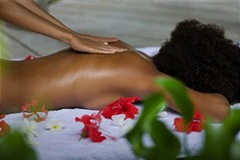
    • Aromatherapic massage. Now, if you don’t want herbed oil for your muscle pain, you can opt for the more fragrant oil using essential oils. John Steele, an aromatic consultant based in Los Angeles, recommends a blend of blue chamomile, rosemary, birch and lavender essential oils. To prepare, simply get three drops of each, except for the lavender oil, which needs to be at least eight drops. Then mix these with half an ounce of olive oil or olive oil. These should not only give your muscles relief but also a treat!
    • Visualization. For the skeptics, visualization is quite effective, according to psychiatrist and author Gerald Epstein, who is based in New York City. Close your eyes, breathe deeply a few times then picture your affected muscles enveloped in a block of ice. See the ice melt slowly, and as the muscle melts, feel the pain melt away as well. Visualize your muscle pain away and you will feel that relief!

    The above methods are sure to give you relief from muscle pain. But remember, know your body’s limits don’t push it too hard next time.

    You might want to read on how a study showed that Tai Chi really does relieve osteoarthritis pain. Or how research has backed up the notion that massage is an effective natural pain remedy.

    And if you have any more ideas you want to share on natural pain relief, share them through the comment form below. :)

    Natural Remedies for Back Pain

    December 16, 2010

    0 comments

    You must have suffered from this at least a few times, especially when you are under stress. But do not worry – since back pain is a very common condition, there are naturally countless ways to give you  your needed relief from it.

    Below are just some ways to give you relief from back pain:

    • Ginger. Yes, this is an anti-inflammatory cure good for many pains, and that includes back pain. But do you know that you can also apply it back painexternally? Just make a paste of ginger powder and water then apply it on the affected area. Leave the paste there for about 15 minutes then wash it off afterwards. You can also ask someone to rub your back with eucalyptus oil for a soothing finish. This kind of relief is good for minor back pains.
    • Fresh grape juice. Now, if your back pain is recurring, try drinking a cup of fresh grape juice. Not the canned or packed one, please. If you have a juicer, all the better. Juice from dark grapes is the most effective. Drink it once a day apart from your meals. You will feel gradual relief.
    • Self-massage. Yes, you can do it! Use tennis balls and they will definitely relax your back pain. First, take a hot bath. Put the two balls in one sock each. Rest the balls on each side of your spine. Let your body relax and feel the balls. Gently rock your hips from side to side. Keep adjusting your body as you please so that the balls move up and down your back. Now, how’s that for relief?
    • Hydrotherapy. If you easily get back pains, try alternating hot and cold showers. Let the spray of hot water hit your back for at most four minutes then around 30 seconds of cold spray. Alternate the two and you will feel that relief.
    • Aromatherapic massage. Now this is a soothing and fragrant relief to your back pain, especially if it’s severe. Blend four drops each of blue chamomile, rosemary, birch, ginger and then 14 drops of lavender. Add this to half an ounce of olive oil or almond oil.  Massage therapy alone, in fact, is proven to relieve pain! Read the study conducted on massage therapy.

    If your back pain is minor, just lower the “dosage” by using two drops each of blue chamomile, birch, rosemary, ginger and lavender. Again, add this to half an ounce of olive oil or almond oil. Of course, ask someone to massage your back well to give you that pleasing and aromatic relief.

    Easy, right? You should get easy relief from back pain using these methods. And if you know of any more natural remedies for back pain, share them through our comment form below!

    Natural Relief from Joint pain

    December 7, 2010

    0 comments

    You are positive you do not have arthritis or tendinitis, but all of a sudden you feel that shot of pain in your joints. The joint pain is just too much that you joint painmay even feel immobilized, unable to walk normally to work or do your usual activities. It can get so painful that your joints may feel like they are begging for relief.

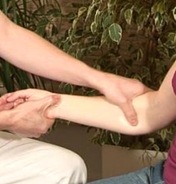
    In truth, you have just pushed your joints too hard. Maybe you did too much work yesterday that you are not accustomed to doing. Or maybe you are not warming up enough before exercising. These are just examples on how joints are strained, which causes foot pain.


    Below are some useful methods for relief from joint pain:

    • Massage. Simply massage the muscles both above and below the affected joint – just make sure you do not rub the actual joint! Do this massage for ten minutes every day until the foot pain goes away. In fact, research has shown that massage is effective for natural pain relief. Read about it here.
    • Hydrotherapy. Basic water treatments are easy but very effective ways in relieving foot pain. If your foot feels dull and stiff attacked with penetrating pain, apply a warm compress to the affected area. If the pain is sharp and intense, make the warm compress into a cold one, though an ice pack is still more effective in giving relief. Do these treatments for 10-20 minutes. Do not exceed 20 minutes in the ice pack, though, as the ice might damage your skin.
    • Vitamin and mineral intake. To speed up healing, increase your intake of Vitamin C. take 5,000 milligrams of this vitamin as Vitamin C has a property that quickens cell recovery. The six B vitamins (vitamin B6, vitamin B12, thiamin, riboflavin, niacin and pantothenic acid) are also essential to lessen the pain as these balance the nervous system and thus give relief. Also, do not forget calcium and Vitamin D to strengthen your bones and thus avoid future joint pain.

    Of course, joint pain can be prevented if you are more aware of your body and its limits. Be more sensitive to your joints when you are doing things you do not normally do with your body. Doing this might just free you of worries and give you permanent relief from joint pain.

    If your joint pain is due to osteoarthritis, you might want to find out how Tai Chi has been proven to relieve osteoarthritis pain.

    Arm Massage Gives Post Operative Pain Relief

    December 2, 2010

    0 comments

    Massage therapy provides natural pain relief in people with different conditions such as low back pain or fibromyalgia. But the benefits of massage seem to go beyond nonspecific pain, with more and more lymph node dissection patients claiming pain relief after being given arm massage.massage therapy

    Women with breast cancer who undergo surgery usually undergo lymph node dissection either for cancer staging or to ensure that the cancer does not spread. However, lymph node dissection can be painful. It can also result in arm and shoulder mobility problems or lymphedema.

    Thankfully, patients who have been given arm massage after lymph node dissection seem to experience less pain. A study was then done to evaluate the effectiveness of massage in alleviating pain after lymph node dissection.

    Summary of the Study:

    • Fifty-nine patients diagnosed of breast cancer participated in the study. They all underwent lymph node dissection. Information was collected before the surgery and after the surgery at fixed intervals (one day after, ten to fourteen days after, and four months after the lymph node dissection).
    • The patient’s loved ones were taught how to do arm massage and were asked to do the massage after the participants underwent lymph node dissection.

    Results of the Study:

    • The information gathered from the participants revealed that there was a decrease in post-operative pain by those whose arms were massaged by their loved ones.
    • There was also an improved shoulder and arm function in this group compared to those who did not undergo arm massage.

    Arm massage a natural means of providing pain relief for patients who undergo lymph node dissection as part of their breast cancer surgery. It effectively decreases discomfort and pain. Pain relief is important to ensure that a post-operative patient will not suffer from long-term consequences of prolonged arm immobility, such as contractures or reduction in muscle size.

    In addition, arm massage makes breast cancer patients feel closer to their family. Arm massage may be a loved one’s way of showing support for someone suffering from breast cancer who has just undergone lymph node dissection.

    If you want to find out how the study was done, read the details here.

    Arm Massage for Lymph Node Dissection Pain

    November 30, 2010

    0 comments

    People undergo lymph node dissection for many reasons: for diagnostic purposes, for cancer staging, or as part of the surgical treatment of cancer. Women suffering from breast cancer, if they are to undergo surgery, usually undergo lymph node dissection at one point.

    arm massage Unfortunately, lymph node dissection can be painful, proving to be another cause for worry for someone who is already suffering from breast cancer. The discomfort right after lymph node dissection surgery may cause a person to have limitation of arm mobility, reduced arm function, or even lymphedema. It is therefore important for someone to have effective pain relief and to be able to move their arms with minimal discomfort.
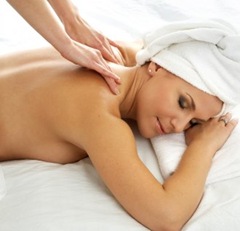
    Many post-operative patients massage their arms or ask others to give them massage therapy. Because of reported relief after massage therapy, a study was done to evaluate the effectiveness of arm massage as a modality that provides natural pain relief for patients who have just undergone lymph node dissection.

    Details of the study:

    • The study was done to determine the effectiveness of arm massage done by a loved one on a patient who has just undergone lymph node dissection.
    • Information was collected from the patients before the surgery, within one day after the dissection, within ten to fourteen days after the dissection, and lastly, four months after the dissection.
    • There were 59 women from ages 21 up to 78 who participated in the study. They all had to undergo lymph node dissection and had a loved one with them after the surgery.
    • The patients were randomly assigned to groups. One group was to undergo arm massage while the other group will undergo only the usual post-op care.
    • The group who was assigned to do arm massage was taught how to perform it properly. The patients’ loved ones were taught proper arm massage. They then performed the arm massage on the patients after their surgery.
    • Pain after the surgery and closeness/ support felt by the patients was evaluated to determine the usefulness of massage done by a loved one.

    Read the results of the arm massage study here.

    Proof That Massage Is An Effective Natural Therapy

    November 26, 2010

    0 comments

    Massage has long been known as an accepted natural therapy for many conditions. There exists many types of massage, including those that involve manipulation and traction of body extremities. The different types of massage give different benefits, catering to a varied list of medical conditions and complaints. But all these types of massage have one thing in common: they all involve human touch.

    What is massage?

    massage Massage involves the manipulation of different soft tissues, aimed at promoting healing. The effects of massage include neurological, mechanical, reflexive, and psychological effects. It has been used therapeutically to achieve pain relief, reduce adhesions, provide better sleep, promote fluid mobilization, promote muscle relaxation, and induce vasodilatation. But unlike manipulation per se which deals with joint segments, massage targets softer tissues.

    Massage involves the movement of the hands, sometimes involving pulling or traction.

    Is massage therapy really therapeutic?

    About seventy years ago, Rene Spitz filed a report about healthy infants who were given adequate nutrition and care but were deprived of human touch. These infants were soon diagnosed with FTT (failure to thrive) and eventually died. Because of this curious phenomenon, the physiology of touch and massage has been studied over and over. It has been theorized that massage is powerful not only because of its mechanical manipulation, but also because it involves touch, which obviously plays an important role in keeping people healthy. Touch has, in fact, been considered a vital factor in keeping babies healthy; touch is important in the normal growth and development of any human being.

    Massage and touch therapy both possess the capacity to heal and maintain the health of individuals. It might have been the first tool that man has used to combat sickness and pain.

    What kinds of massage exist?

    Massage therapy has different cultural concepts; it may inculcate both Western and Eastern medicine principles. Massage influenced by Western medicine has previously lost popularity because of many new technolocial discoveries; however, massage is again being studied in terms of its role in healing and health and should become popular as a natural and safe therapeutic tool very soon.

    Because of the millions of anecdotal accounts as to the effectiveness of massage, more research is being done to establish how massage works and if it really does work as a natural means to provide pain relief.

    What are the specific types of massage?

    Many types of massage exist, including reflexology, shiatsu, and many others. To find out more about these massage types, click here.